

 Español
 Català
 Deutsch
 Français
 Português
 Italiano
 Nederlands
 Polski
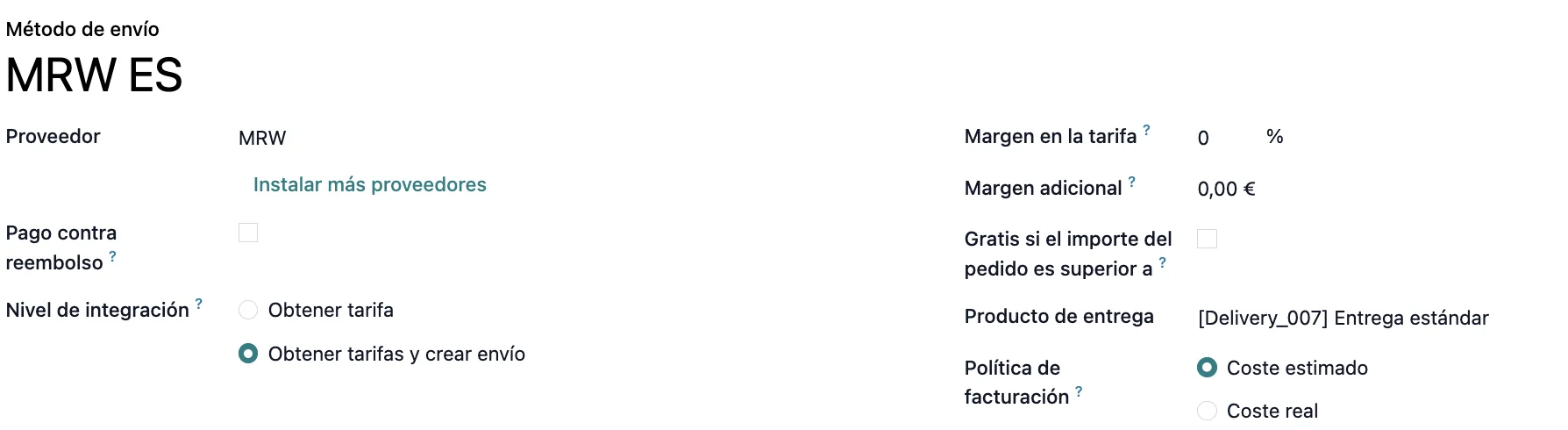
An OCA module tends to fit very well when the use case is mature, a branch exists for your version, and the implementation does not need much customization. A custom module usually wins when the local market needs more refinement, stronger support, or a tighter flow for a specific carrier.
When OCA usually wins
- The use case is fairly standard.
- The community maintains the branch well.
- You want flexibility and full code transparency.
When a custom module usually wins
- The functional gap in OCA is clear.
- You need direct support from the developer.
- You want less adaptation work and less operational ambiguity.
Useful links
OCA serviceSee how we implement open-source modulesCustom modulesReview the custom-module approachLogistics consultingChoose the architecture before building
What we do about this
More related guides
Correos Express Odoo vs OCA: which approach fits bestCorreos Express OCA for Odoo: When It Fits and When It Doesn'tWhat the “Refresh Logistics” button in Temu Connector for Odoo doesConnecting Temu to Odoo: paid middleware or native connector, and when each one pays offBest carrier for Odoo ecommerce: SEUR, MRW, Correos Express, DHL, GLS, UPS and CTT, which to pick and which integration pathOdoo 19 vs middleware connectors: when integrating inside Odoo makes senseOdoo vs SAP Business One: a comparison for SMEsThe Odoo error “Temu did not return any logistics company for regionId …”WooCommerce Odoo Connector: What It Needs to Solve to Avoid a Half-Baked Integration
Want to choose the right architecture?
We can decide with you whether OCA, a custom module, or a mix is the best fit.