
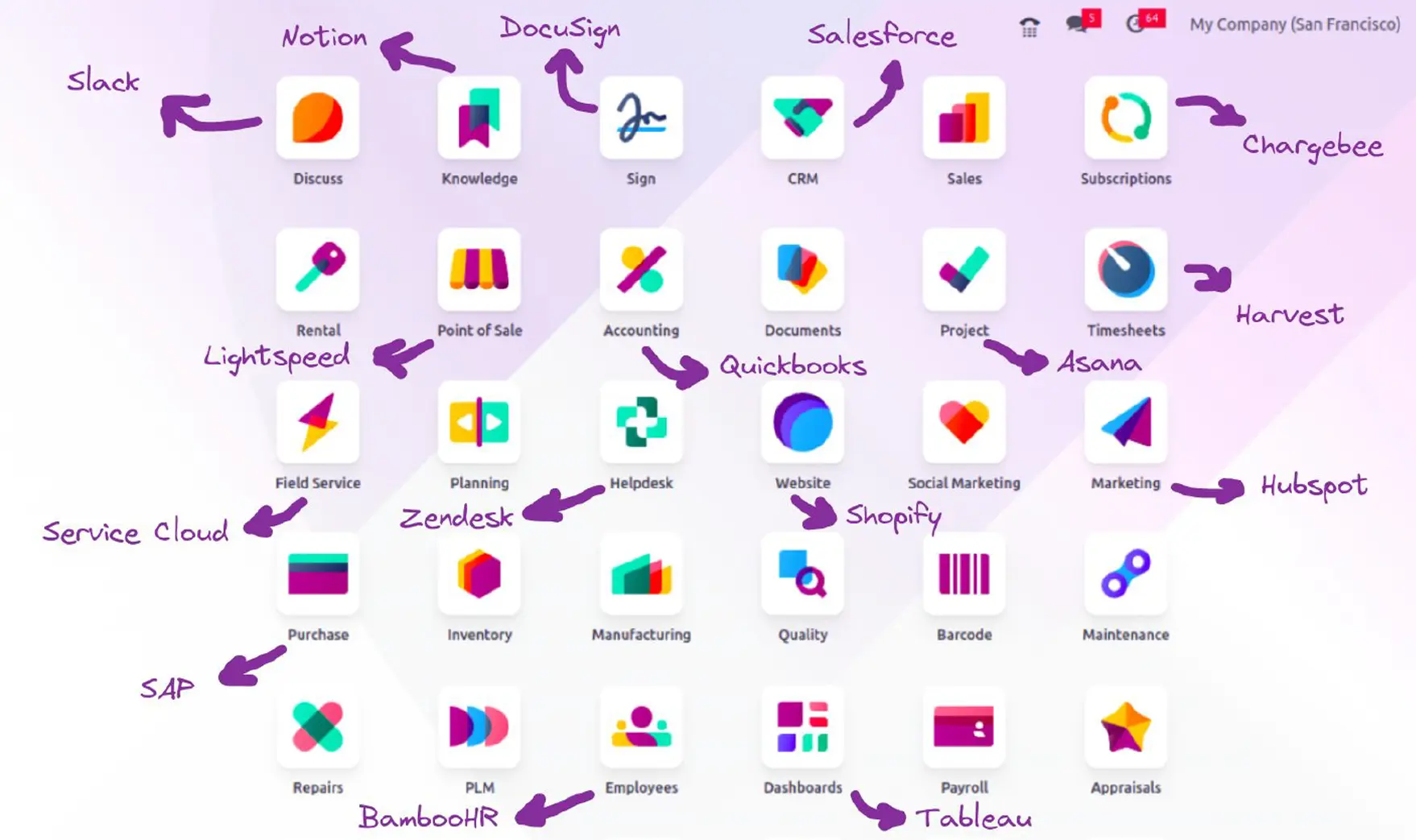
Many companies arrive at Odoo after already trying external integrators, spreadsheets or loose automations. The problem is usually not connecting an API once; the problem is keeping orders, stock, errors, retries and traceability under control as the operation grows.
Key idea: a profitable integration isn't measured just by connecting an API. It's measured by how much manual work it removes, how many errors it prevents, and how much traceability it leaves inside the operational flow.
The real difference isn't in the API
Middleware can be useful when you need a fast, standard connection, but in operational ecommerce the layer that matters is where the business truth actually lives.
If Odoo has to reserve stock, prepare orders, generate delivery notes, create labels and pull tracking back in, native integration removes extra hops and keeps traceability where the team actually works.
When to choose a native connector in Odoo
It makes sense when Odoo is the master system for product, stock, orders, logistics and invoicing.
It also makes sense when you need your own rules: multi-warehouse, validations before sending, retries, per-order logs, error handling for users, and automatic processes connected to sales and warehouse.
When middleware can work
If you're only looking to move simple data between two systems and there are no complex operational decisions involved, middleware can speed up the launch.
The risk shows up when the team ends up checking three different panels just to know whether an order was sold, reserved, shipped or failed.
Decision checklist
- Where is stock reserved?
- Who creates the delivery note and the label?
- Where do you see the error when an API call fails?
- Does tracking flow back to the channel automatically?
- Can you retry without duplicating orders or shipments?
Useful links within FlexigoTech
Frequently asked questions
Is a native connector always better?
Not always. It's better when Odoo is the operational hub and you need business rules, traceability and control from the ERP.
Is middleware bad for SEO or sales?
No. The problem isn't commercial, it's operational: if information ends up fragmented, the team loses control.
Can I combine both approaches?
Yes, but you should define which system has the final say over stock, orders, logistics and errors.
What does FlexigoTech look at before deciding?
Order flow, volume, carriers, marketplaces, stock rules, current errors and expected maintenance.
Want us to review your case?
We look at your channels, stock, carriers and Odoo version to suggest the cleanest path forward.